CRO consulting

CRO consultant: what they do and how to choose one

A CRO consultant works out why your visitors leave without converting and directs the fixes and tests your team builds. Convertica's CRO advisory puts a senior CRO consultant beside your team after your free CRO audit: founder Kurt Philip, who leads every advisory client personally.

Conversion for humans and AI agents. Advisory led personally by founder Kurt Philip. More than 2,000 clients since 2017.

AGENT VIEW Offer dataReading convertica.org/conversion-rate-optimization-consulting/
service.name
CRO advisory
PASS
service.ledBy
Kurt Philip
PASS
service.startsAfter
Free CRO audit
PASS
offer.priceText
Priced after your audit
TEXT
offer.price
null
MISSING
service.capacity
Up to 10 advisory clients at a time
MISSING
alternative.name
Full implementation
PASS
alternative.builtBy
Convertica's team
PASS
What an AI agent can read from this page. null marks a fact not published yet.

Short answer

A CRO consultant is a conversion rate optimization specialist who works out why a website's visitors are not buying, signing up or getting in touch, and directs the changes and tests that address it. Unlike an agency, a consultant usually advises and plans while your team builds. Convertica's CRO advisory, led by Kurt Philip, starts after the free CRO audit.

  • Hire one when you have steady traffic, someone who can build changes and no clear answer to why visitors do not convert.
  • Judge a consultant by real work and by how they handle tracking, testing and losing tests, not by their title.
  • Be wary of anyone who promises a lift before they have seen your data.
  • Good advisory keeps one ranked list, checks every test before launch and reads results honestly, including the losses.
  • A CRO consultant now also checks whether AI agents can read your products, prices and policies.

What is a CRO consultant?

A CRO consultant is a conversion rate optimization specialist who works out why a website's visitors are not buying, signing up or getting in touch, and directs the changes and tests that fix it. Unlike an agency, a CRO consultant usually does not design or code the changes. They decide what should change and why, and your team builds it.

You will see the same role called a conversion rate optimization consultant, a conversion optimization consultant, a CRO expert, a website conversion expert or, in British spelling, a conversion rate optimisation consultant. Firms of conversion rate optimization experts sell the same work under the name CRO consulting services.

Convertica offers CRO consulting as ongoing advisory after the free CRO audit, led personally by founder Kurt Philip, with Convertica's CRO team. It suits site owners who have a team or a developer and need an experienced person setting the direction.

CRO expert, CRO specialist or CRO consultant?

The three titles describe the same skills. "Specialist" is the usual job title for an employee, "consultant" for someone who advises several companies, and "expert" is how either one describes themselves. Judge the person by their process and their evidence, not by the title.

Which CRO is this?

CRO also stands for contract research organization in medicine, and for Chief Revenue Officer in sales, which is why some results for "CRO consultant" are about clinical trials. This page is about conversion rate optimization.

What does a CRO consultant do?

A CRO consultant turns your analytics and your visitors' behavior into a short, ranked list of changes, then makes sure each change is tested or shipped properly.

  • Audits the site and the data. Checks that tracking is accurate, then finds the pages and steps that lose the most visitors.
  • Works out why. Uses analytics, heatmaps, session recordings, surveys and a hands-on review to explain the drop-off.
  • Builds a test roadmap. Turns each finding into a hypothesis and ranks them by traffic, likely impact and effort.
  • Directs the work. Briefs your designer or developer on exactly what to change.
  • Sets up tests properly. Decides sample size and duration before a test starts, so results can be trusted.
  • Reads the results. Explains what a test showed, what it did not show, and what to do next.
  • Teaches as they go. A good consultant leaves your team better at this than they found it.

What a CRO consultant does not do

  • Design and code your pages. Some will, but that is agency work and is priced that way.
  • Run your ads, SEO or email. A consultant may tell you the traffic is the problem, which is useful, but fixing it is a different job.
  • Guarantee a lift. Anyone who promises a fixed percentage before seeing your data is guessing.
  • Replace your judgment about the business. They bring evidence about the site. You still decide on price, product and brand.

What CRO consulting services usually include

CRO consulting services usually produce six things: a tracking check, an audit of findings, a ranked backlog, briefs for each change, a review of every test before launch, and a written read of each result. Scope varies by consultant, so ask to see an example of each before you sign.

Typical CRO consulting deliverables, and what good looks like
DeliverableWhat it isWhat good looks like
Tracking checkConfirms that conversions in analytics match real orders, sign-ups or leadsEvery gap is named, with how much it distorts the numbers
Audit findingsWhere visitors drop off and whyEach finding cites its evidence: a report, a recording, a survey answer
Ranked backlogEvery fix and test idea in one ordered listThe ranking method is written down, so you can argue with it
Change and test briefsWhat to build, for which pages, and whyA developer can build from it without a meeting
Test setup reviewA check of each test before it goes liveHypothesis, primary metric, sample size and stop date agreed in advance
Results readWhat each test showed and what happens nextLosses and inconclusive tests are reported as plainly as wins

Free CRO audits and one-off reviews cover the first two or three rows. Ongoing advisory covers the rest, because test review and reading results only happen once tests are running. Convertica's CRO audit page explains how an audit works step by step.

When should you hire a CRO consultant?

Hire a CRO consultant when you have steady traffic, someone who can build changes, and no clear answer to why more visitors do not convert. You probably need one if several of these are true.

  1. Traffic is growing and revenue is not keeping up.
  2. You are paying more for each visitor than you were a year ago.
  3. You have changed the site several times and cannot say which changes helped.
  4. Your team runs tests, and most end without a clear result.
  5. Mobile brings most of your visitors and a small share of your sales.
  6. People start your checkout or form and do not finish, and nobody knows why.
  7. You have a developer who can build things and no one deciding what to build.
  8. You are about to redesign the site and want evidence to guide it, not only the principles of conversion design.

If the last one is you, start with an audit before the redesign, not after.

When to hold off

A CRO consultant is the wrong first hire in a few situations. Saying so is part of the job.

  • Nobody can build the changes. Advice that sits in a document changes nothing. Line up developer time first, or choose a provider that builds, such as Convertica's full implementation, where Convertica's team builds the fixes from your audit.
  • The offer itself is unproven. If almost nobody buys at any price, the problem is the product or the market, and a better page will not fix it.
  • You are replatforming soon. Testing on a site that is about to be replaced wastes traffic. Bring the consultant into the rebuild instead.
  • Traffic is very low. You can still fix clear problems, but formal A/B testing may not be possible. The A/B test sample size calculator shows what your traffic allows.

CRO consultant, agency, in-house or fractional CRO?

A CRO consultant gives you direction, an agency gives you direction and a team that builds, an in-house specialist gives you one full-time person, and a fractional CRO consultant gives you senior direction part-time on an ongoing basis. Be honest about which one you are missing: direction, people, or both.

CRO consultant, agency, in-house specialist and fractional CRO consultant compared
CRO consultantCRO agencyIn-house specialistFractional CRO consultant
What you getSenior direction, a roadmap and review of resultsA team that plans, designs, builds and runs testsA full-time person on your teamA senior specialist for part of each month, ongoing
Who builds changesYour teamThe agencyYour teamYour team
Speed to startUsually fastLonger, for onboardingSlowest, including hiringUsually fast
CommitmentA project or ongoingUsually several monthsPermanentOngoing, flexible
How it is paidHourly, per project or retainerProject fees or a retainerA salaryA retainer
Works best whenYou have people who can build and need directionYou have budget and no capacityTesting is constant and central to the businessYou want senior oversight without a full-time hire
Main riskAdvice that nobody implementsPaying for capacity you do not useOne person with no senior peer to check their thinkingToo few hours if your team needs daily help

The most common mistake is hiring an agency when the real gap is direction, or hiring a consultant when nobody is available to build what they recommend. Convertica's CRO services page sets out Convertica's three offers, including full implementation for teams with nobody to build. If you run an agency and want to offer CRO direction to your own clients, see white label CRO.

What is a fractional CRO consultant?

A fractional CRO consultant is a senior conversion specialist who works with your team part-time on an ongoing basis, instead of as a full-time hire. In practice, fractional CRO in this sense is the same thing as a CRO advisory retainer, which is how Convertica's advisory works.

Most searches for "fractional CRO" are about something else: a part-time Chief Revenue Officer, who runs sales and revenue strategy. That is a sales leadership hire. If a provider offers "fractional CRO", check which one they mean before you book a call.

Get your free CRO audit

Enter your website and email and the audit starts right away. Watch it check your page live: eight checks, each scored out of 100, and three fixes you can make now.

How to choose a CRO consultant

To choose a CRO consultant, look at real work, ask how they handle tracking, testing and losing tests, and confirm who will do the work. Whether you want a conversion rate optimization consultant, a CRO expert or a full team of conversion rate optimization experts, these eight questions sort the good from the rest.

  1. Can I see real work? A sample audit or test plan tells you more than a sales call. Look for the evidence behind each recommendation.
  2. Tell me about tests that lost. Every experienced consultant has plenty. Someone who only talks about wins is either new or selective.
  3. How would you check my tracking? If the answer is vague, their findings will rest on numbers nobody has verified.
  4. What do you measure a win by? It should be revenue, orders or qualified leads. A lift in clicks on a button is not a result by itself.
  5. How do you decide when a test is done? They should mention sample size and significance, decided before the test starts. The statistical significance calculator shows the arithmetic.
  6. Who will I actually work with? With a solo consultant it is them. With a consultancy, check that the senior person on the sales call is the one doing the work. At Convertica, Kurt Philip leads every advisory client.
  7. What do you need from me? A good consultant is clear about access, developer time and how fast changes need to ship. If they need nothing from you, nothing will change.
  8. Have you worked on a site like mine? A store, a lead generation site and a SaaS product lose visitors in different places. Ask for a case study close to your situation. Convertica's are on the CRO case studies page.

Red flags when hiring a CRO consultant

  • A promised lift before they have seen your data. Nobody can know it in advance.
  • A redesign as the first recommendation. A full redesign changes everything at once, so nobody learns which change mattered.
  • A list of "best practices" with no evidence from your site. What worked elsewhere is a hypothesis for you, not a fix.
  • Tests called after a few days because the graph looks good. Early leads often fade. A test ends when it reaches the sample size set at the start.
  • Reports that show only conversion rate. A higher conversion rate with smaller orders can mean less revenue.
  • No questions about your tracking. Every finding depends on it.
  • A black box. If you cannot see the test setup, the raw numbers and the reasoning, you cannot check the result.
  • A senior seller and a junior doer. Fine if you know about it, a problem if you find out later.

What does good CRO advisory look like?

Good CRO advisory does three things well: it keeps one ranked list of what to work on, it checks every test before launch, and it reads results honestly, including the losses. Most wasted CRO budgets fail at one of these three, not for want of ideas.

Prioritization: one ranked list, rebuilt as you learn

Every idea, from the audit, the team or the CEO, goes into one backlog and is scored the same way. Simple models such as ICE (impact, confidence, ease) or PIE (potential, importance, ease) are enough, as long as the scoring is written down. The prioritization section of the CRO audit guide shows both. Clear fixes, such as a broken form field, skip the queue: they get fixed, not tested. After each test, the list is re-ranked with what you learned.

Test design review before anything launches

Most failed tests were decided before launch. A consultant reviewing a test should be able to tick every line of this list.

  1. The hypothesis names the problem, the change and the evidence behind it.
  2. One primary metric is chosen in advance, tied to revenue, orders or qualified leads.
  3. Guardrail metrics are named, such as average order value or refund requests, so a "win" that hurts the business is caught.
  4. The sample size and the stop date are set before launch and cover full weeks, so weekday and weekend visitors are both counted.
  5. The variation has been checked on real phones and browsers, with tracking firing on both versions.
  6. Nobody changes the tested pages while the test runs. If someone does, the test restarts.

Reading results honestly

An inconclusive test is a result: it tells you the change did not matter much, which frees the team to try something bigger. Losing tests are reported as plainly as winners. Slicing results by device or source until something looks significant is not a finding; a segment worth trusting is one named before the test.

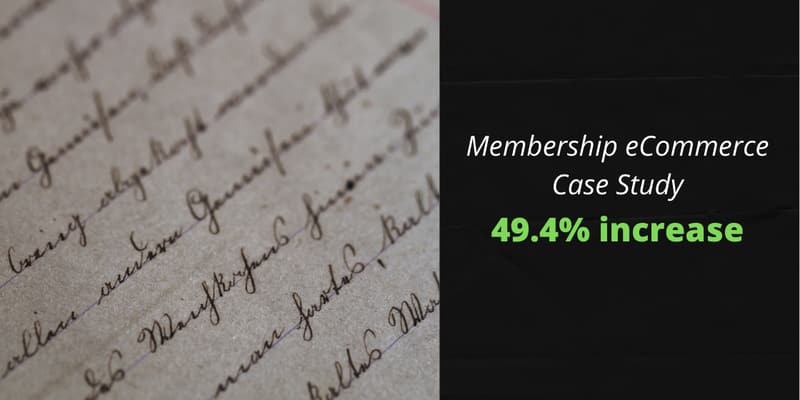
Good advisory also reports more than one number. In Convertica's dScryb case study, paid membership sign-ups rose 49.4% and revenue per visitor rose 23.8% in the same 17-day test. Both are true, they are not the same number, and the decision depends on which one the business needs.

Teaching your team as it goes

The best sign of good advisory is a team that writes better hypotheses and spots a broken test on its own after a few months. If your team is no more capable than when you started, the advice was not landing.

What a CRO consulting engagement usually looks like

Most CRO consulting services follow the same broad order, whoever provides them: measure, find the problems, fix the obvious ones, then test the rest and learn from each result.

  1. Tracking check and audit. You come out with a prioritized list of problems, and know which are clear fixes and which need testing.
  2. Clear fixes go live. Broken steps and obvious friction get fixed without waiting for a test.
  3. The first tests launch. Each with its sample size and duration set in advance.
  4. Results come in and the roadmap updates. What a test teaches shapes the next one.

How fast this moves depends on your traffic. A busy store can finish a test much sooner than a site with few conversions, and a consultant should say so at the start. The sample size calculator shows how long a test on your site would need.

The advisory

How Convertica's CRO advisory works

Advisory is the consulting side of Convertica: ongoing direction after your free audit, from the founder.

Kurt Philip, founder of Convertica

Who leads the advisory

I have worked in SEO since the early 2000s, I have more than 15 years of experience, and I founded Convertica in 2017. I lead every advisory client personally, with Convertica's CRO team. Advisory is where I stay with you after your free audit and help your team decide what to fix, what to test and what to do next.

Kurt Philip

Founder

  1. Free audit first. Advisory starts after your free CRO audit, so the work starts from evidence, not from scratch. The audit checks your page for people and for AI agents, and Kurt Philip reviews your agent readiness with you in advisory.
  2. Ongoing direction. After your audit, Kurt Philip advises your team on turning the findings into a plan and putting it into practice. What each month includes: No calls. After your audit, Kurt and Convertica's CRO team send a ranked plan and walk your team through implementing each fix, step by step, with questions answered by email.
  3. Your team builds. In advisory, your developer or team makes the changes, and Kurt Philip and Convertica's CRO team direct the work.
CRO advisory at a glance
Led byKurt Philip, Founder
StartsAfter your free CRO audit
PricePriced after your audit
PlacesLimited. Capacity: Up to 10 advisory clients at a time

If you would rather not build the changes

Advisory assumes your team builds. If nobody on your side can, Convertica also offers full implementation: Convertica's team builds the fixes from your audit for you. Like advisory, it is priced after your audit.

See how pricing works

How much does a CRO consultant cost?

A CRO consultant's cost depends on how they charge, how experienced they are and how much of the work they cover. They charge in one of three ways.

How CRO consultants charge
ModelHow it worksSuits
HourlyYou pay for time usedShort questions and second opinions
Per projectA fixed fee for a defined piece of work, such as an auditGetting a clear answer to "what should we fix"
RetainerA fixed fee for ongoing directionTeams running tests continuously

Many consultants do not publish their rates. Convertica explains how its pricing works instead: the CRO audit is free, and advisory and full implementation are priced after your audit, based on what the audit finds. The pricing page sets it out.

When you compare quotes, compare what is included: whether test setup review and results analysis are part of it, who does the work, and how often you can reach them. A badly set up test wastes weeks of traffic whatever the fee.

A newer part of the job: AI agents

More product research now starts in an AI assistant, and some assistants browse and act on a person's behalf. A conversion optimization consultant now has to ask whether those agents can read your products, prices and policies, and whether anything on your site blocks them.

Questions worth asking any CRO consultant about this:

  • Can an AI assistant read our prices, stock and delivery terms from the page itself, without running scripts?
  • Do our robots rules block the AI crawlers we actually want?
  • Is the main action on each page clearly labeled, so an agent can find it?

Agent readiness, how AI shopping agents and AI search read your site, is one of the eight checks in Convertica's free CRO audit, and in advisory Kurt Philip reviews it with you. This is a young field with little long-term data, and we say so.

Proof

About Kurt Philip and Convertica

Kurt Philip founded Convertica in 2017. He has worked in SEO since the early 2000s, has 15+ years of experience, and has appeared on the Authority Hacker podcast (#124). More than 2,000 clients since 2017, across eCommerce, lead generation, SaaS, affiliate sites and agencies. Kurt Philip leads every advisory client personally. More on the founder page.

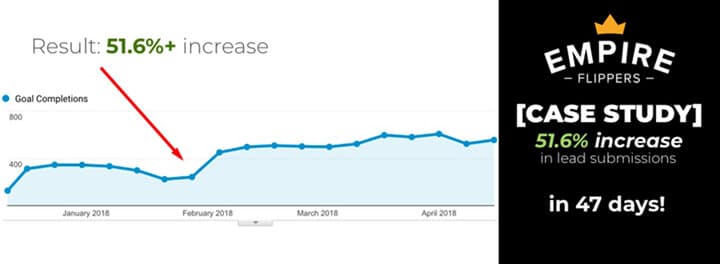
Three published results, each with its metric, timeframe and source:

What clients say about working with Kurt

From Convertica's Trustpilot reviews, word for word. More on the testimonials page.

Perhaps the best CRO company in the biz.

Scientific approach, testing is methodical, and changes are pragmatically made, based on reliable data.

Process is also very quick, only takes a few months in order to ramp up conversion rates and make better use out of existing traffic.

Kurt made it easy to understand what I was getting involved in, and Ayumi was very professional in handling the campaign thereafter.

Rafid NassirTrustpilot review

I've worked with Kurt and the team at Convertica for a couple of years now, across various projects.

I can sum them up in just one word.

Exceptional!

These guys have the CRO process down. Fast, responsive, knowledgable, and the results are, quite frankly, unbelievable.

I've also learned a TON about CRO since working with the team and can wholeheartedly recommend them without even a second thought.

If you need help increasing conversions for your site, or landing pages, then Convertica are the best of the best. Highly recommended.

Gareth DaineTrustpilot review

If you're looking to increase conversions, then you need to get in touch folks at Convertica. Kurt was a pioneer in the CRO space and team that he's built are quick and efficient. Can't recommend them highly enough!

Ben KepkaTrustpilot review

Fantastic service from Kurt's team. Really made me look at my sites differently. If your site has traffic but it is not converting into new sales or business I would recommend contacting Convertica.

Roof Replace LtdTrustpilot review

CRO consultant FAQ

What does a CRO consultant do?

A CRO consultant finds why website visitors are not converting and directs the fixes and tests that address it. They check the tracking, audit the site, rank what to change, review each test before launch and read the results. They usually advise and plan, and your team builds the changes.

What does CRO stand for?

In marketing, CRO stands for conversion rate optimization: improving the share of visitors who buy, sign up or get in touch. The same letters also mean contract research organization in medicine and Chief Revenue Officer in sales, which is why some search results for CRO consultant are about clinical trials.

How much does a CRO consultant cost?

It depends on the model: hourly, per project or an ongoing retainer, and rates vary with experience and scope. Convertica's CRO audit is free, and its advisory is priced after your audit, based on what the audit finds. The pricing page explains how that works.

Should I hire a CRO consultant or a CRO agency?

Hire a consultant if you have people who can build changes and you need direction. Hire an agency if you need the whole team supplied. After its free CRO audit, Convertica offers both routes: CRO advisory, where your team builds, and full implementation, where Convertica's team builds the fixes. Convertica's CRO services page sets out what each includes.

Who leads Convertica's CRO advisory?

Founder Kurt Philip leads every advisory client personally, with Convertica's CRO team. Advisory starts after your free CRO audit.

How long does it take to see results?

It depends on traffic. Clear fixes can show up quickly. A/B test results take longer, because each test has to reach the sample size set before it started, and lower-traffic sites need longer per test.

Can a CRO consultant help a low-traffic site?

Yes, within limits. Testing is slow or impossible at low traffic, but an audit still finds clear problems, and many of those can be fixed without a test. A good consultant will tell you which kind of help your traffic supports.

What should a CRO consultant deliver?

Usually a tracking check, an audit of findings with the evidence for each, a ranked list of fixes and test ideas, a brief for each change or test, and a written read of every test result. The exact scope varies by consultant, so ask to see examples before you hire.

What tools does a CRO consultant use?

Usually an analytics tool such as Google Analytics 4, a heatmap and session recording tool, an A/B testing tool, a form analytics tool and a survey tool. Past Convertica case studies used VWO for testing and Formisimo for form analytics.

Do I need a developer to work with a CRO consultant?

In most cases, yes, or at least someone who can edit your site. A consultant's plan only pays off if the changes get built. If nobody on your side can build them, Convertica's full implementation has its team build the fixes from your audit.

Is a CRO consultant the same as an SEO consultant?

No. An SEO consultant works on getting visitors from search. A CRO consultant works on what those visitors do once they arrive. The two overlap on page speed, content and page structure, and the work goes best when both look at the same pages.

What is the difference between a CRO consultant, a CRO expert and a CRO specialist?

Nothing meaningful. The terms describe the same role. Consultant usually signals someone who works with several clients rather than an employee, and specialist is more common in job titles.

What is fractional CRO?

Fractional CRO usually means a part-time Chief Revenue Officer, a sales leadership role. In conversion work, a fractional CRO consultant is a senior conversion specialist who works with you part-time on an ongoing basis, which is the same as a CRO advisory retainer.

Find out what is costing you conversions

Enter your website and email and the audit starts right away. Watch it check your page live: eight checks, each scored out of 100, and three fixes you can make now.